Project
Blood Cell Classification — AI-Powered Hematology Analysis System
Year
2025
Service
Deep Learning
Blood Cell Classification
Project Overview
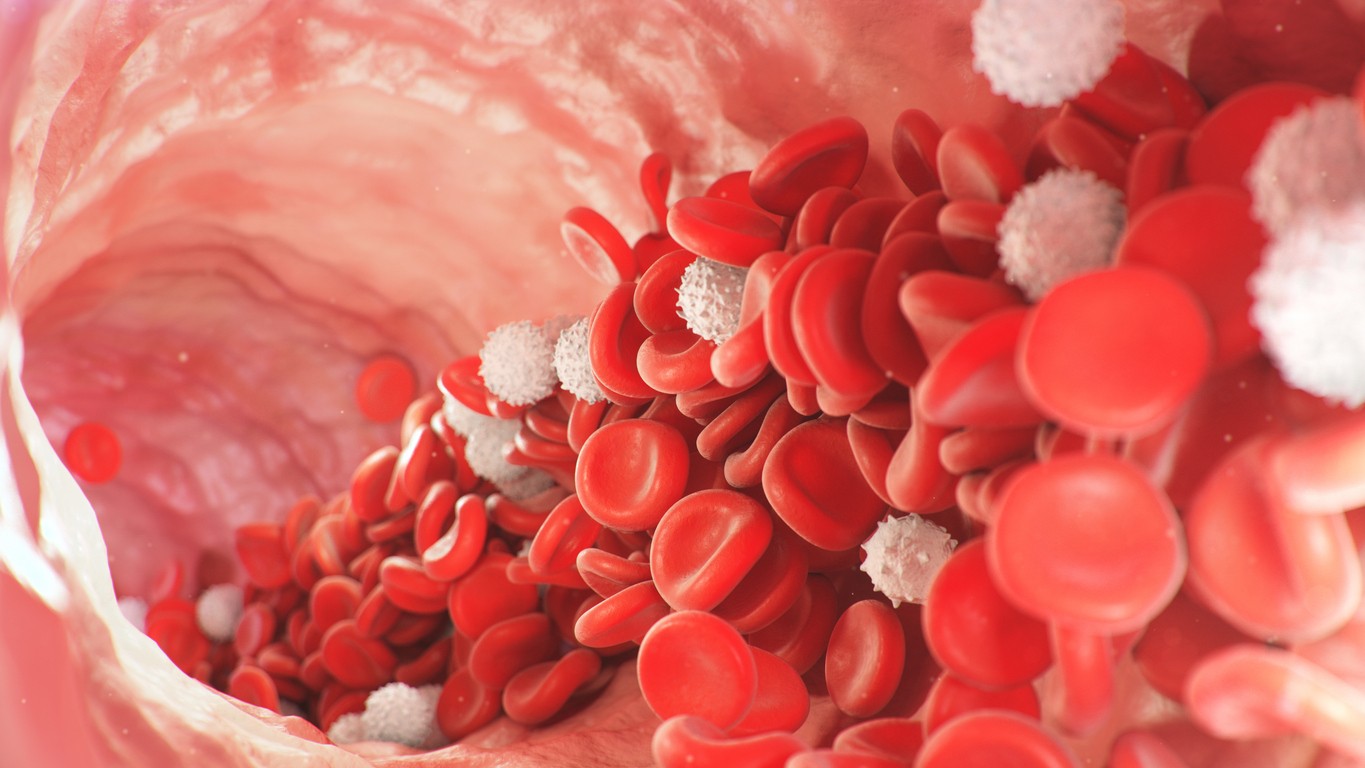
This project uses convolutional neural networks (CNNs) to analyze blood smear images and classify cells such as red blood cells, white blood cells, and platelets. The system provides an end-to-end pipeline for image preprocessing, model training, and real-time inference, along with a user interface for uploading images and visualizing classification results.
Project Overview
This project uses convolutional neural networks (CNNs) to analyze blood smear images and classify cells such as red blood cells, white blood cells, and platelets. The system provides an end-to-end pipeline for image preprocessing, model training, and real-time inference, along with a user interface for uploading images and visualizing classification results.
The Problem
Manual blood cell identification under a microscope is time-consuming, requires expert knowledge, and is prone to human error and fatigue. High patient volumes and variability in image quality can lead to inconsistent results, delayed diagnoses, and limited scalability in clinical laboratories.
The Problem
Manual blood cell identification under a microscope is time-consuming, requires expert knowledge, and is prone to human error and fatigue. High patient volumes and variability in image quality can lead to inconsistent results, delayed diagnoses, and limited scalability in clinical laboratories.
The Solution
The platform applies a deep learning-based image classification model trained on labeled blood smear datasets to automatically detect and classify blood cells. It standardizes analysis through consistent preprocessing, real-time prediction, and structured result visualization, enabling faster and more reliable clinical decision support.
The Solution
The platform applies a deep learning-based image classification model trained on labeled blood smear datasets to automatically detect and classify blood cells. It standardizes analysis through consistent preprocessing, real-time prediction, and structured result visualization, enabling faster and more reliable clinical decision support.
The Result
The system delivers accurate and consistent blood cell classification, reducing diagnostic time and minimizing human error. It improves laboratory efficiency, supports large-scale screening, and provides a scalable, AI-driven foundation for advanced hematological analysis and research.
The Result
The system delivers accurate and consistent blood cell classification, reducing diagnostic time and minimizing human error. It improves laboratory efficiency, supports large-scale screening, and provides a scalable, AI-driven foundation for advanced hematological analysis and research.